A roll-up door on a warehouse near DFW International Airport or a distribution building along State Highway 161 does not behave like a house door. It is a steel curtain wound onto a barrel shaft, moving up and down guide tracks dozens of times a shift. Irving's mix of logistics space around Las Colinas and the airport corridor puts more cycles on this hardware in a month than most residential doors see in a year, which changes what maintenance actually needs to catch.
Watch The Curtain, Not The Motor
When a roll-up door starts running rough, the instinct is to check the motor first. Look at the curtain instead. Slats that hang unevenly, a curtain that bows outward from the guide tracks, or a bottom bar that no longer sits flush on the floor all point to a mechanical problem upstream of the motor. Forcing the operator to keep cycling a curtain that is already binding in the tracks just accelerates wear on gears that were never built to fight resistance.
What The Barrel Shaft Carries
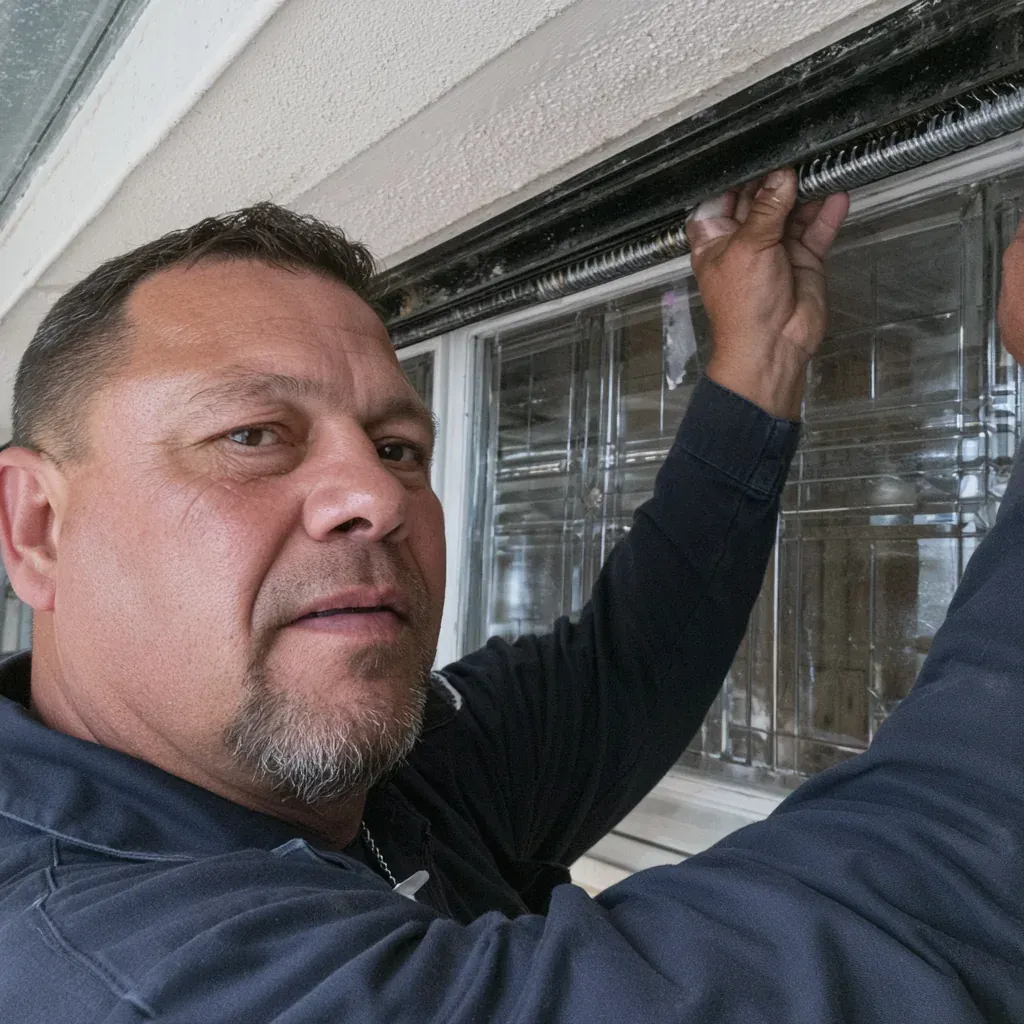
The curtain hangs on a barrel shaft mounted above the opening, tensioned by springs wound around that same shaft. This is different from the torsion or extension springs on a sectional garage door, and it is not something to inspect up close while the door is under tension. A shaft that looks fine from the floor can still be carrying uneven spring load on each end, which shows up as a curtain that runs crooked in the tracks long before anything breaks outright.
Keep The Guide Tracks Clear
Guide tracks collect debris fast in a working warehouse, especially near loading areas off Regent Boulevard or Valley View Lane where pallets and forklifts move through daily. A slat catching on grit or a bent track edge forces the curtain to fight its own path down, which strains the barrel shaft and the motor together. Clearing loose debris from the tracks and checking for visible bends is a reasonable weekly habit, not a full teardown.
Bottom Bar And Floor Contact
The bottom bar meets the floor along the full width of the opening, and on a roll-up curtain that seam matters more than any other point of contact. Check the astragal or weather seal for splits, and run a hand along the floor line for gaps where wind-blown grit or hail runoff could work under the curtain. On a warehouse near Regent Boulevard or the airport-side logistics stretch, uneven floor wear from forklift traffic can throw that contact off before the opener ever takes the blame.
Listen For Chain And Gear Wear
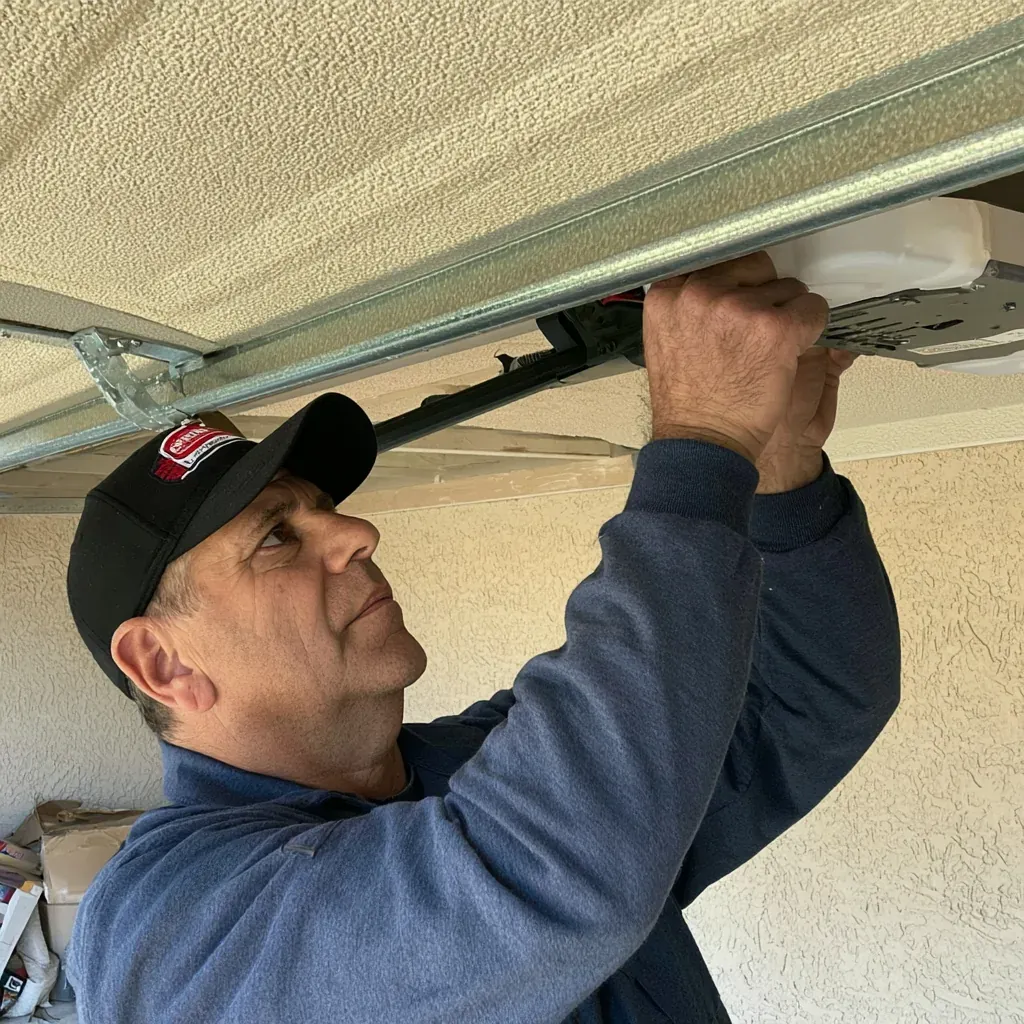
Most warehouse roll-up doors run on a chain hoist or a gear-reduction operator rather than a household opener arm. A grinding or skipping sound during a cycle usually means chain slack, a worn sprocket, or a gear reduction unit under more load than it was set up for. None of this is safe to open up while the door is powered. Note when the sound started and whether it happens on every cycle or only under load, since that detail helps a technician diagnose faster.
Photo Eyes Still Apply Here
Commercial roll-up operators built after the relevant safety standard still rely on entrapment protection, including reversal on contact and photo eyes mounted low on the frame. In a warehouse setting these sensors get knocked out of alignment by forklifts, pallet jacks, and stacked inventory far more often than in a garage. If a door reverses without contact or refuses to close at all, checking whether anything is blocking or has shifted the sensor pair is worth doing before assuming a bigger fault.
Heat, Hail, And Panel Damage
Irving summers push metal curtains and steel components through repeated heat cycling, and hail from North Texas thunderstorms can dent exposed slats or housing without necessarily stopping the door from moving. The distinction matters: cosmetic denting is not the same as a curtain that has been pushed out of its guide tracks. A quick check after a storm is whether the door still runs smooth and seats fully, not just whether the housing looks marked up.
When To Stop Running The Door
A roll-up door that binds, reverses unexpectedly, or makes a new grinding sound should be taken out of automatic use rather than run through the problem repeatedly. Continuing to cycle a door that is already fighting itself tends to turn a worn part into a broken one, often at the least convenient moment for a facility that depends on that opening staying usable through a shift.
What Not To Adjust Yourself
Spring tension on a barrel shaft, chain hoist adjustment, and gear reduction housings are not places for on-the-fly repair. These components hold real stored force and are sized to the specific curtain weight and opening. Loosening a chain, backing off a gear cover, or attempting to rewind shaft tension without the right setup risks injury and can turn a repairable issue into a full curtain or shaft replacement.
Scheduling Around Warehouse Hours
A warehouse near Las Colinas or the airport corridor often runs shifts that make a fully idle door hard to schedule around. Coordinating an inspection during a slower stretch, rather than waiting for a full stoppage, tends to catch wear before it forces an unplanned closure. Property managers overseeing multiple bay doors across a single building benefit from tracking which door is due for a look, since high-cycle hardware wears at different rates depending on which bay sees the most traffic.
When To Stop And Call In Help
Some limits are worth respecting once the door is secured and nobody is forcing it by hand. A curtain that has jumped its guide, a bent bottom bar from a forklift strike, or a motor that hums without moving anything are jobs for the licensed pros we connect you with. Ask about coverage, a clear scope for the repair, and warranty terms before work starts on a warehouse door near Las Colinas or the airport corridor, since commercial hardware runs harder cycles than a home ever sees.
Dealing with this in your home?
One failure keeps repeating on Irving service calls without folding neatly into a general list. Heat cycling through a Las Colinas garage warps track hardware over years, while an older Heritage District door often reveals a spring the original installer undersized. Age and installation choice, not neglect, usually explain it.