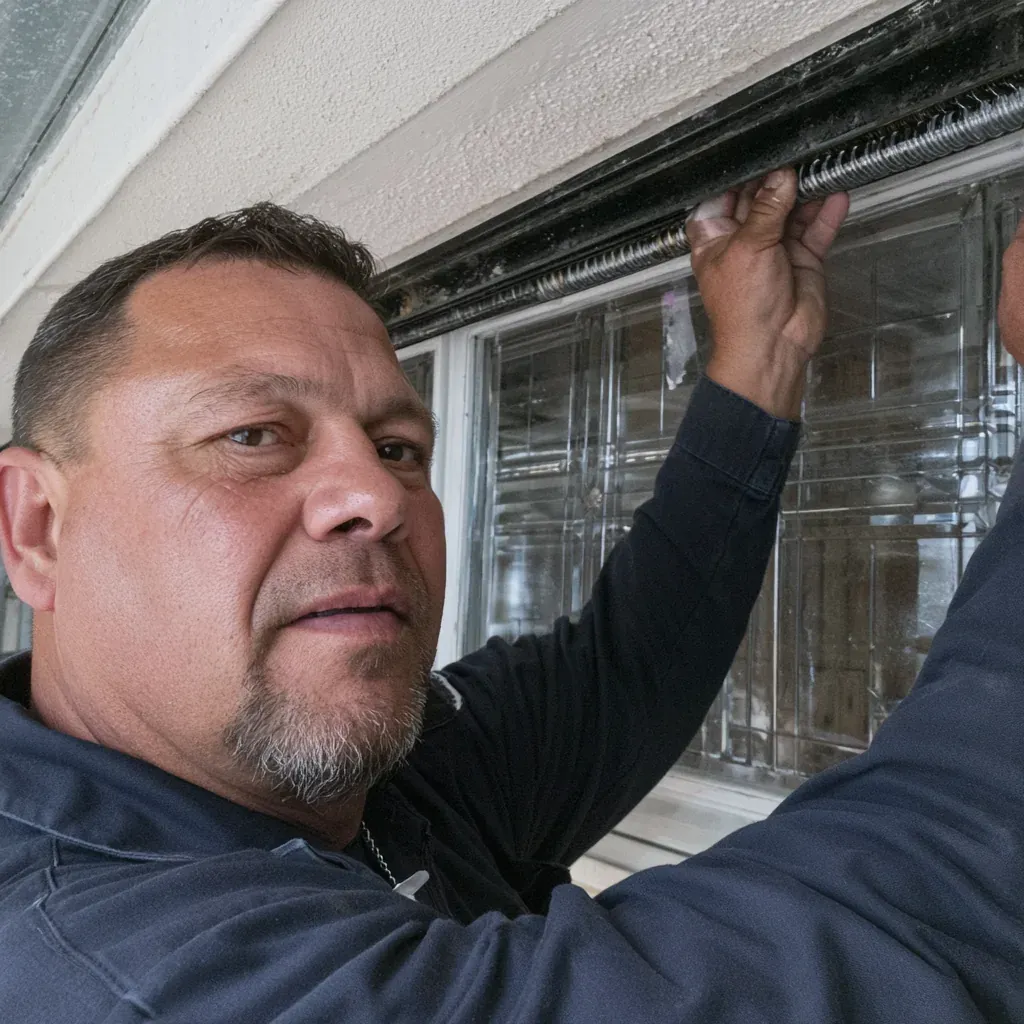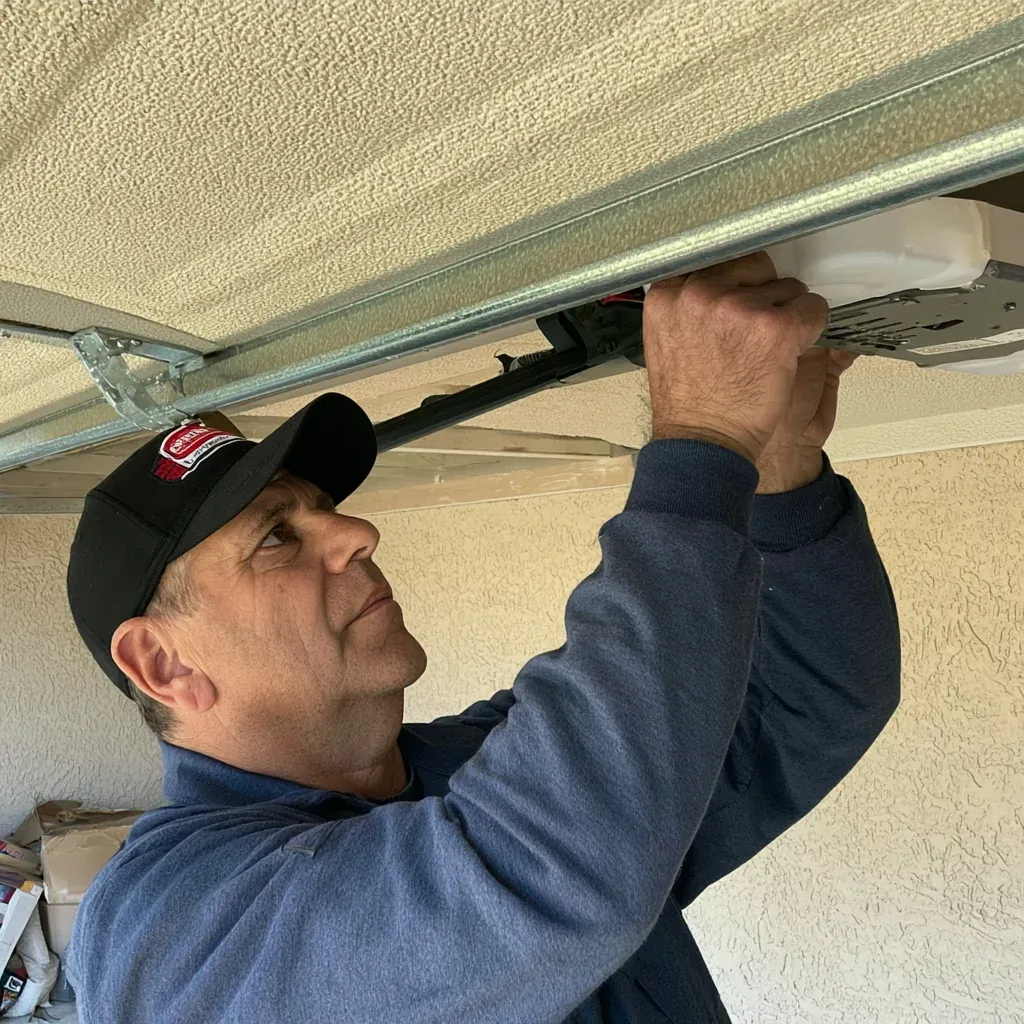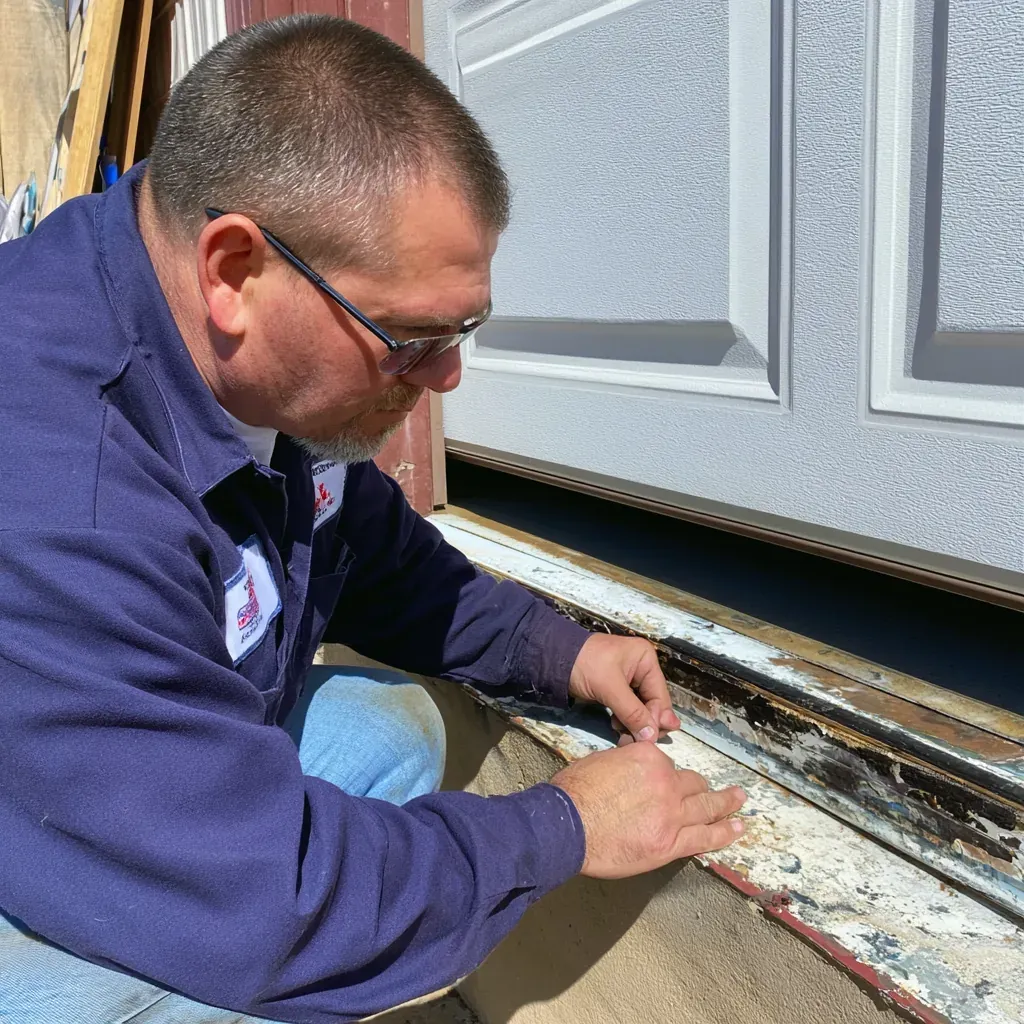
In Irving, a door that closes most of the way and then backs off is usually reacting to something in its path, not failing outright. Homeowners near Plymouth Park or University Hills often see it happen right after mowing, when grass clippings or a stray toy sit near the photo-eye sensors along the track. Before assuming the opener is bad, check for anything blocking the sensor line between the two brackets a few inches off the floor, and look at whether the reversal happens at the same point in the cycle every time.
The Reversal Is a Safety Feature
Automatic openers are built to stop or reverse when they sense an obstruction or too much resistance. A reversal is therefore information, not a reason to increase force until the door closes. Clean and align the photo eyes, then look for track rub, roller drag, cable imbalance, or a travel setting that no longer matches the door.
Start With the Photo Eyes
If the door reverses at the same low point every time, the photo eyes are the first thing to rule out. Check that both eyes still face each other directly and that neither bracket has been bumped or twisted, since even a slight angle drops the beam off target. Wipe the lens on each one, since dust and lawn debris settle there in Irving driveways more than people expect. A blinking indicator light on either unit usually means the beam is broken or misaligned.
What Sits in the Beam's Path
Once the eyes themselves check out, look at what sits between them. A trash can rolled slightly into the opening, a hose reel, a stack of moving boxes near a Las Colinas apartment garage, or even a shadow from strong afternoon sun can trip the beam without a person noticing. Pets and low branches from a yard tree do the same thing. If the door closes clean once the path is bare, the opener was never the problem.
When the Cause Is Resistance, Not Light
If the photo eyes are clear and aligned and the door still kicks back, the reversal is likely coming from resistance the opener feels through the door itself rather than the light beam. That points toward the track, the rollers, or the springs rather than the sensor pair, and it means the fix is mechanical rather than electronic. This is the point where a homeowner in Irving Heights or Plymouth Park usually stops guessing at the opener and starts looking at the door.
Track Alignment Comes Next
Stand back and sight down both tracks as the door lowers. They should run parallel and stay the same distance from each other along the whole rise. Expansive clay under North Texas foundations can shift a slab enough over time that a track bolted to the frame no longer sits square, and a door binding against a track edge partway down reads to the opener as an obstruction. A visibly bent or dented track section is often the actual point of contact.
Rollers and Hinges Wear Unevenly
Worn or cracked rollers drag rather than roll smoothly through the track, and a hinge that has loosened lets one panel edge sag slightly out of line with the next. Either fault adds friction right at the spot where the door is reversing, and the opener's resistance sensor picks that up as something blocking the door. This kind of wear tends to show up gradually, so a door that reversed once last month and now does it every time is telling you the drag has gotten worse, not that it appeared overnight.
Spring Tension and the Reversal
Torsion springs carry most of the door's weight, and as they lose tension the opener has to work harder in the last foot of travel to pull the door shut. That added strain can trip the same resistance sensor that watches for a real obstruction. A door that feels heavy when lifted by hand partway, or that drifts down on its own instead of holding position, is showing spring wear rather than a sensor fault, and it belongs to a category of repair that involves stored tension best left to someone trained for it.
Hail and Panel Damage
Track and roller misalignment tends to cost less to correct than the opener's logic board or a full spring replacement, since it is often a matter of loosening brackets, resetting the rail, and tightening bolts rather than swapping a part. A bent track section or a roller worn down from years of use falls in a middle range, closer to labor than to hardware. Expect an estimate to name what is bent, worn, or out of square before settling on a figure.
What a Reset Actually Fixes
Unplugging the opener and letting it reset clears a stuck sensor state, and it is worth trying once the photo eyes are aligned and the path is clear. What a reset will not fix is a bent track, a cracked roller, or a spring that has lost tension, since those are physical faults the opener is correctly reacting to. If the same reversal comes back within a day or two, the reset only bought time rather than solving anything.
Commercial Doors Reverse Differently
A sectional or roll-up door on a commercial building near Las Colinas Urban Center or along Regent Boulevard uses heavier curtain weight and a different cycle count than a residential door, so its safety edge and sensor setup are sized for that load rather than a household opener's. A property manager seeing repeated reversals on that kind of door should treat it as a curtain-weight or edge-sensor issue specific to commercial equipment, not the same fix that works on a house.
Ruling Out an Opener Fault
Because reversal can trace back to a sensor, a bent rail, a frayed cable, or a spring losing tension, a homeowner guessing from the driveway in Cottonwood Valley or near Story Road risks paying for the wrong fix twice. A written scope that names the exact part suspected, before any work starts, keeps the job honest. Ask what was tested, not just what was replaced, and keep spring and cable adjustment away from anyone without the training to release that stored tension safely.
Dealing with this in your home?
One failure keeps repeating on Irving service calls without folding neatly into a general list. Heat cycling through a Las Colinas garage warps track hardware over years, while an older Heritage District door often reveals a spring the original installer undersized. Age and installation choice, not neglect, usually explain it.